ℹ️ 本文暂无中文版,以下为英文内容。
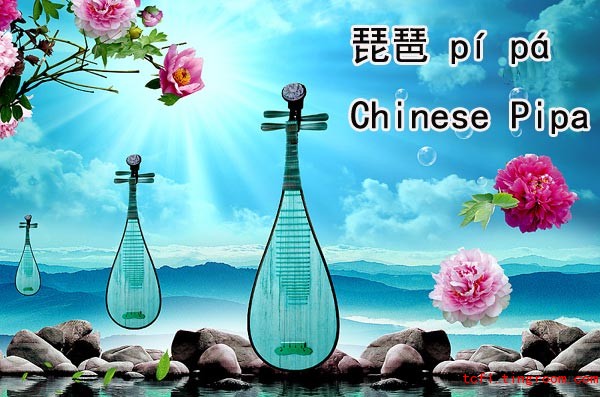
The Pipa(琵琶pí pá), like the Chinese Guqin, is one of the most representative classical Chinese instruments of traditional Chinese culture. The Pipa first appeared in the Qin Dynasty in ancient China and has a history of over two thousand years.
The name of the Pipa came from two main plucking skills needed to play the instrument. "Pi means finger pushing, and Pa means finger pulling". Further down to the Tang Dynasty, the Pipa was used as a general name for all Chinese plucked string instruments. At the same time, the Pipa was also introduced to other East Asian-countries. Today you can see similar instruments in Japan, North Korea and Vietnam.
民乐之王mín yuè zhī wáng
King of Folk Musical Instruments
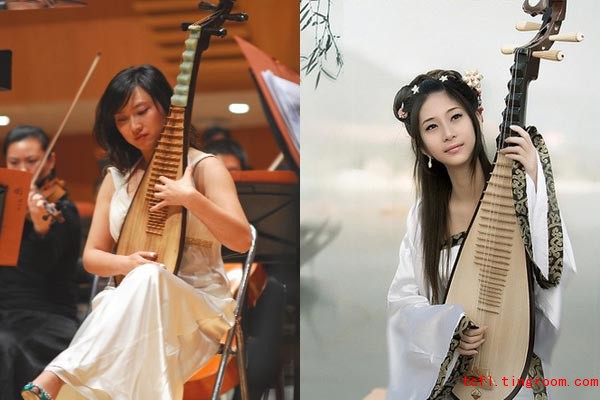
The Pipa is also known as the "King of folk musical instruments", and the "Chief of plucked string instruments". Often made of wood, its four strings were originally made with silk thread, but now wire or nylon is normally used. Often held vertically, the Pipa can be played solo, with an accompaniment or an ensemble.
阳春白雪yáng chūn bái xuě
Sunny Spring and White Snow
阳春白雪"Sunny Spring and White Snow" is one of the top ten most famous Chinese ancient classical pieces of music for the Pipa.
According to legend, the piece was composed by either Shi Kuang from the State of Jin or Liu Zijuan from the State of Qi during the Spring and Autumn Period. The existing melody consists of the two parts, "Sunny Spring" and "White Snow". The former renders the meaning of a sunny spring day when everything comes back to life, enjoying the warm breeze, while the latter is a piece that depicts cool and highbrow melodies from snow covered bamboo. Later, the term "Sunny Spring and White Snow" also became a metaphor for highbrow art forms such as classical music, calligraphy, painting and literature.